Kep Nut

Kep Nut

Kep Nut

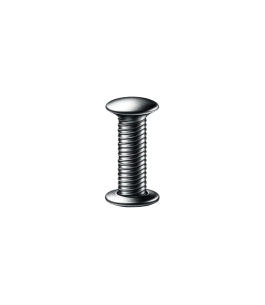
A Kep nut, also known as a Keps nut, K-lock nut, or washer nut, is a type of lock nut that is designed to provide secure fastening in various applications. It is essentially a hex nut with a free-spinning external tooth lock washer attached to one end. The combination of a nut and a lock washer in a single unit makes Kep nuts a convenient and time-saving choice for many applications. Their design ensures a secure hold, making them a reliable option for preventing loosening due to vibration or movement.

Tee Nut

Tee Nut

Tee Nut

A tee nut (also known as a T-nut, blind nut, or insert nut) is a type of fastener typically used to fasten a wood, particle or composite materials workpiece, leaving a flush surface. It has a long, thin body and a flange at one end, resembling a “T” in profile. Tee nuts are valuable in applications where a robust and reliable internal thread is needed in a softer material and where the nut needs to be flush or recessed with the surface of the material. They are appreciated for their ease of installation and the strong hold they provide.

Machine Screw Nut

Machine Screw Nut

Machine Screw Nut

A machine screw nut is a type of nut specifically designed to be used with machine screws. These nuts and screws are typically used in applications involving metals or pre-tapped holes. Machine screw nuts are sized to fit standard machine screw threads, which are finer and more precisely cut than those of regular bolts and wood screws. This allows for better grip and strength in metal-to-metal applications.

Heavy Hex Jam Nut

Heavy Hex Jam Nut

Heavy Hex Jam Nut

A heavy hex jam nut is a specific type of nut that combines the features of a jam nut and a heavy hex nut. It is designed for applications where both a low profile and the ability to handle high stress or load are required. Made typically from high-strength materials like steel, they are designed to withstand higher loads and stresses. The material and the size contribute to their durability and strength.

Finished Hex Jam Nut

Finished Hex Jam Nut

Finished Hex Jam Nut

A finished hex jam nut, also known simply as a jam nut, is a type of hexagonal nut that is thinner or lower in profile compared to standard nuts. It’s designed for specific applications where space is limited or where a locking mechanism is needed. One of the primary uses of a jam nut is as a locking mechanism. It’s often tightened against a standard nut on a bolt to prevent loosening due to vibration or motion. This is particularly useful in machinery or equipment subjected to frequent movement or vibration.

Finished Hex Nut

Finished Hex Nut

Finished Hex Nut

A finished hex nut is a type of hexagonal nut commonly used in various assembly and fastening applications. The term “finished” in this context refers to its design and the level of precision in its manufacturing.

Weld Nut

Weld Nut

Weld Nut

A weld nut is a special type of nut specifically designed to be welded onto another object. Weld nuts are typically made from materials that can easily be welded, such as low carbon steel, stainless steel, or other weldable metals.

Rivet Nut Gun

Rivet Nut Gun

Rivet Nut Gun

A rivet nut gun, sometimes known as a rivet nut tool or a threaded insert tool, is a specialized tool designed for installing rivet nuts (also known as blind rivet nuts or threaded inserts). Rivet nuts provide a threaded hole in a thin material or in places where access to the back of the panel is limited.

Here are some key aspects of a rivet nut gun:

1.Function: A rivet nut gun is used to insert the rivet nut into a pre-drilled hole in the material. The tool typically grips the internal threads of the rivet nut and applies a pulling force. This force causes the back end of the rivet nut to deform (flare out), creating a bulge that permanently fixes the nut in place, providing a durable threaded hole.

2.Types:

1.Manual Rivet Nut Guns: These require physical effort to squeeze handles or turn a mandrel, which pulls the rivet nut and causes it to expand. They are simple, portable, and do not require power sources.

2.Pneumatic or Hydraulic Rivet Nut Guns: These are powered tools that provide a more consistent installation with less manual effort. They are ideal for high-volume applications.

3.Applications: Rivet nut guns are commonly used in automotive, aerospace, electronics, and general manufacturing where it’s necessary to provide strong, threaded attachments to thin or hollow materials.

4.Advantages: The use of a rivet nut gun allows for the quick and reliable installation of rivet nuts, providing strong and reusable threaded anchors. They are particularly useful in situations where only one side of the workpiece is accessible.

5.Installation Process: The rivet nut is placed onto the nosepiece of the tool, inserted into the hole in the material, and then the tool is activated to pull the mandrel, deforming the back end of the nut. Once the nut is properly expanded and secured, the tool releases the nut, leaving a permanent, threaded insert in the material.

Rivet nut guns are essential for situations where threaded fastenings are needed in thin materials, or where traditional nut-and-bolt connections are impractical.

Solid Rivet

Solid Rivet

Solid Rivet

A solid rivet is a type of mechanical fastener consisting of a cylindrical shaft with a head on one end. It is one of the oldest and most reliable types of fasteners, used to join two or more pieces of material, typically metal.

Here are the key aspects of solid rivets:

1.Structure: A solid rivet typically has a straight shaft with a round or flat head on one end. The other end, known as the tail, is deformed during installation to form a second head, securing the materials in place.

2.Material: Solid rivets can be made from various materials, including steel, aluminum, copper, and brass, depending on the strength and corrosion resistance needed for the application.

3.Installation: To install a solid rivet, a hole is first drilled or punched through the materials to be joined. The rivet is then inserted, and the tail end is deformed using a hammer or a riveting tool (like a rivet gun or a pneumatic hammer). This process, known as “upsetting,” expands the tail to about 1.5 times its original diameter, clamping the materials together securely.

4.Uses: Solid rivets are used in applications where reliability and strength are critical, such as in structural steel construction, bridge building, aircraft manufacturing, and shipbuilding.

5.Advantages: They offer excellent strength and durability, making them ideal for heavy-load applications and structures exposed to high stress or vibrations. They also provide a smooth and clean appearance on the surface.

6.Limitations: The installation of solid rivets typically requires access to both sides of the assembled materials and can be labor-intensive, especially for large structures or where many rivets are needed.

Solid rivets are a proven, effective solution for permanently joining materials, especially in situations where strength and durability are paramount.

Rivet Gun

Rivet Gun

Rivet Gun

A rivet gun, also known as a riveter, is a tool used to drive rivets; these are fasteners used to join two or more pieces of material, typically metal or plastic. Rivet guns are used in a variety of construction, manufacturing, and repair applications.

Here are some key aspects of a rivet gun:

1.Function: The primary function of a rivet gun is to apply a force that deforms the rivet, expanding it to hold materials together. The tool typically works by pulling the rivet’s mandrel through the body of the rivet, causing the end of the rivet to flare out and grip the materials being joined.

2.Types:

1.Manual Rivet Guns: These are hand-operated tools, requiring physical force to squeeze the handles together to drive the rivet.

2.Pneumatic Rivet Guns: Powered by compressed air, these guns are more powerful and require less physical effort, making them suitable for heavy-duty or high-volume work.

3.Battery-Operated Rivet Guns: These provide the convenience of a pneumatic rivet gun but are portable and do not require an air compressor.

3.Rivet Types: Different rivet guns are designed to work with specific types of rivets, such as blind rivets (pop rivets), solid rivets, or structural rivets. The choice of rivet gun depends on the type of rivet being used and the application.

4.Applications: Rivet guns are used in various applications including aircraft construction, automotive assembly, building construction, and in many DIY projects.

5.Advantages: Rivet guns provide a quick and efficient way to join materials, creating strong and reliable joints. They are particularly useful in situations where welding is not possible or practical.

6.Safety: When using a rivet gun, it’s important to wear appropriate safety gear, like eye protection, as the process of riveting can create flying debris.

Rivet guns are essential tools in many industries, offering a durable and permanent solution for joining materials.